
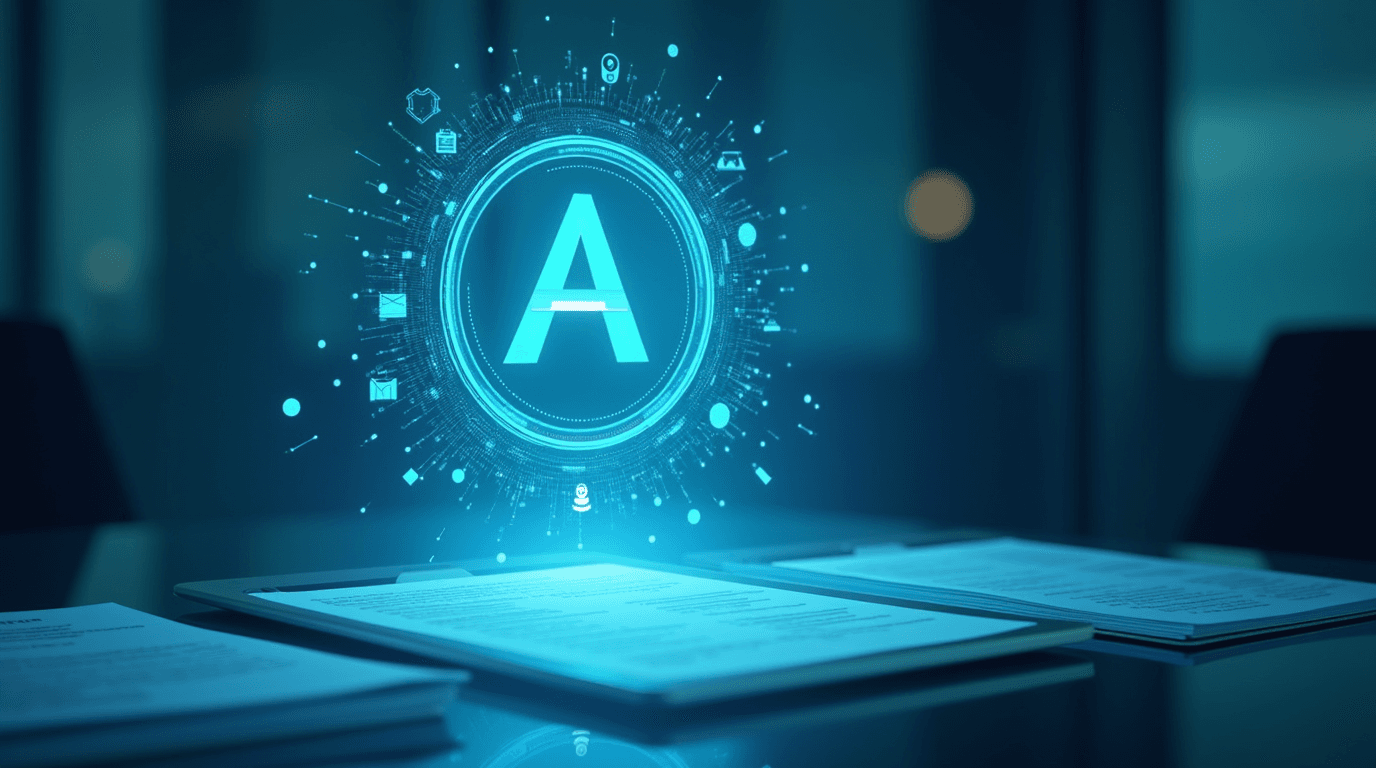
There is a conversation happening in every boardroom, every HR department, and every staffing firm in the country right now. It sounds something like this: "What does AI mean for hiring?"
Some people hear that question and panic. Others shrug it off. Both reactions miss the point.
The reality is somewhere in the middle. AI is absolutely reshaping how companies find, evaluate, and hire talent. But the idea that robots are going to replace recruiters? That is not how this plays out.
The Shift Is Already Here
Let us be honest about what is happening. Companies across every industry are integrating AI into their operations. That means some roles are evolving, some are disappearing, and new ones are being created that did not exist two years ago.
For hiring, this creates an interesting dynamic. There may be fewer open positions in certain categories, but the positions that remain require stronger, more qualified candidates. The bar is going up, not down.
What does that mean in practice? It means when a company posts a role for a financial analyst, they are not just looking for someone who can build spreadsheets. They want someone who can work alongside AI tools, interpret complex data outputs, and make strategic decisions that a machine cannot.
AI Is a Tool, Not a Replacement
Here is what a lot of people get wrong about AI in recruiting. They think it is an either/or situation. Either you use AI or you use a recruiter.
That is like saying either you use a hammer or you use a carpenter. The tool does not replace the person who knows how to use it.
The best recruiters in 2026 are not competing with AI. They are using it to do what they have always done, just faster and with better data.
At TTG, we have leaned into this. We use AI-powered tools to scan our database of over 600,000 candidates, generate smarter search queries, and identify qualified talent faster than traditional methods allow. But here is the thing: the AI does not make the final call. A human does.
AI can tell you that a candidate's resume matches a job description. It cannot tell you that the candidate is a strong cultural fit, that they have a growth mindset, or that their communication style will mesh with your leadership team. That takes experience. That takes a real conversation.
What AI Actually Does Well in Recruiting
- Resume screening at scale. When you have hundreds of applications, AI can filter for baseline qualifications in seconds instead of hours.
- Boolean search optimization. AI can generate targeted search strings that surface candidates human recruiters might miss.
- Job description analysis. AI tools can break down a job posting and map competencies against candidate profiles.
- Market intelligence. AI can analyze salary data, hiring trends, and talent availability in real time.
- Candidate communication. Automated scheduling, follow-ups, and status updates keep the process moving.
Where AI Falls Short
Relationship building, cultural assessment, negotiation, career counseling, and reading between the lines. These are skills that require emotional intelligence, industry knowledge, and years of experience. No algorithm replicates that.
How This Affects Job Seekers
If you are on the other side of the table, looking for your next opportunity, here is what you need to know. AI is already part of the process. Many companies use applicant tracking systems that screen resumes before a human ever sees them.
Three Things Job Seekers Should Do Right Now
- Learn the basics of AI tools in your field. You do not need to become a data scientist, but you should know what tools are being used in your industry.
- Focus on skills that AI cannot replicate. Leadership, communication, creative problem-solving, and adaptability are more valuable than ever.
- Work with people who know the landscape. A recruiter who understands how AI is changing your industry can position you for roles you might not find on your own.
Looking Ahead
AI is not going away. The staffing firms and internal HR teams that figure out how to blend technology with human judgment are going to have a significant advantage.
Because at the end of the day, hiring is a people business. AI just helps us do it better.
The right hire today beats the perfect hire 45 days from now.
Key Takeaways
- AI is changing hiring by raising the bar for candidate quality, not by eliminating the need for recruiters.
- The best use of AI in recruiting is for process-driven tasks: sourcing, screening, scheduling, and market analysis.
- Human judgment remains essential for cultural fit, relationship assessment, and the intangibles that determine long-term success.
- Job seekers should invest in AI literacy and human skills simultaneously.
- Employers should use AI to accelerate their process while keeping experienced recruiters at the center of decision-making.